
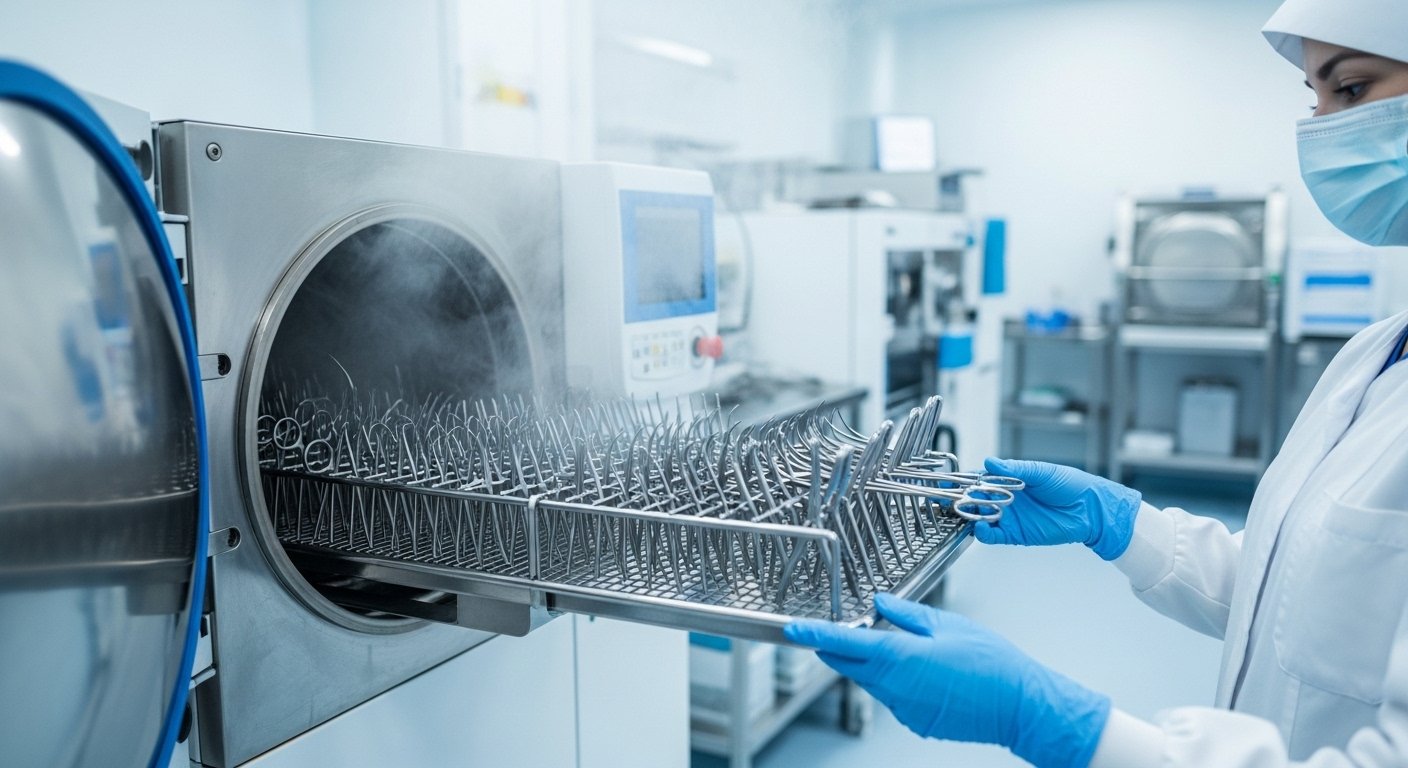
Proper instrument sterilization is critical in medical, dental, and surgical environments. It prevents infections, protects patients, and ensures compliance with international health standards. Implementing best practices not only improves safety but also extends the lifespan of surgical instruments.
1. Pre-Cleaning is Essential
Sterilization starts with thorough cleaning. Instruments should be rinsed immediately after use to remove blood, tissue, and debris. Use enzymatic detergents and ultrasonic cleaners to eliminate microscopic contaminants before sterilization.
2. Proper Inspection and Maintenance
After cleaning, carefully inspect instruments for cracks, corrosion, or damage. Lubricate hinged tools with medical-grade lubricants to maintain performance and prevent rusting.
3. Use the Right Sterilization Method
Different instruments require different sterilization methods:
- Steam Autoclaving – Most common and highly effective.
- Ethylene Oxide (ETO) – Suitable for heat-sensitive tools.
- Dry Heat Sterilization – Ideal for moisture-sensitive instruments.
Always follow manufacturer guidelines.
4. Correct Packaging and Storage
Use sterilization pouches with indicators to ensure proper exposure. Store sterilized instruments in a clean, dry, and closed environment to maintain sterility.
5. Regular Monitoring and Documentation
Maintain sterilization logs and perform routine biological and chemical indicator tests. Compliance with CE and FDA standards ensures safety and accountability.
Following these best practices ensures infection control, regulatory compliance, and long-term reliability of surgical instruments.